April Neuhaus
Canmore, Alberta
ARTIST BIO
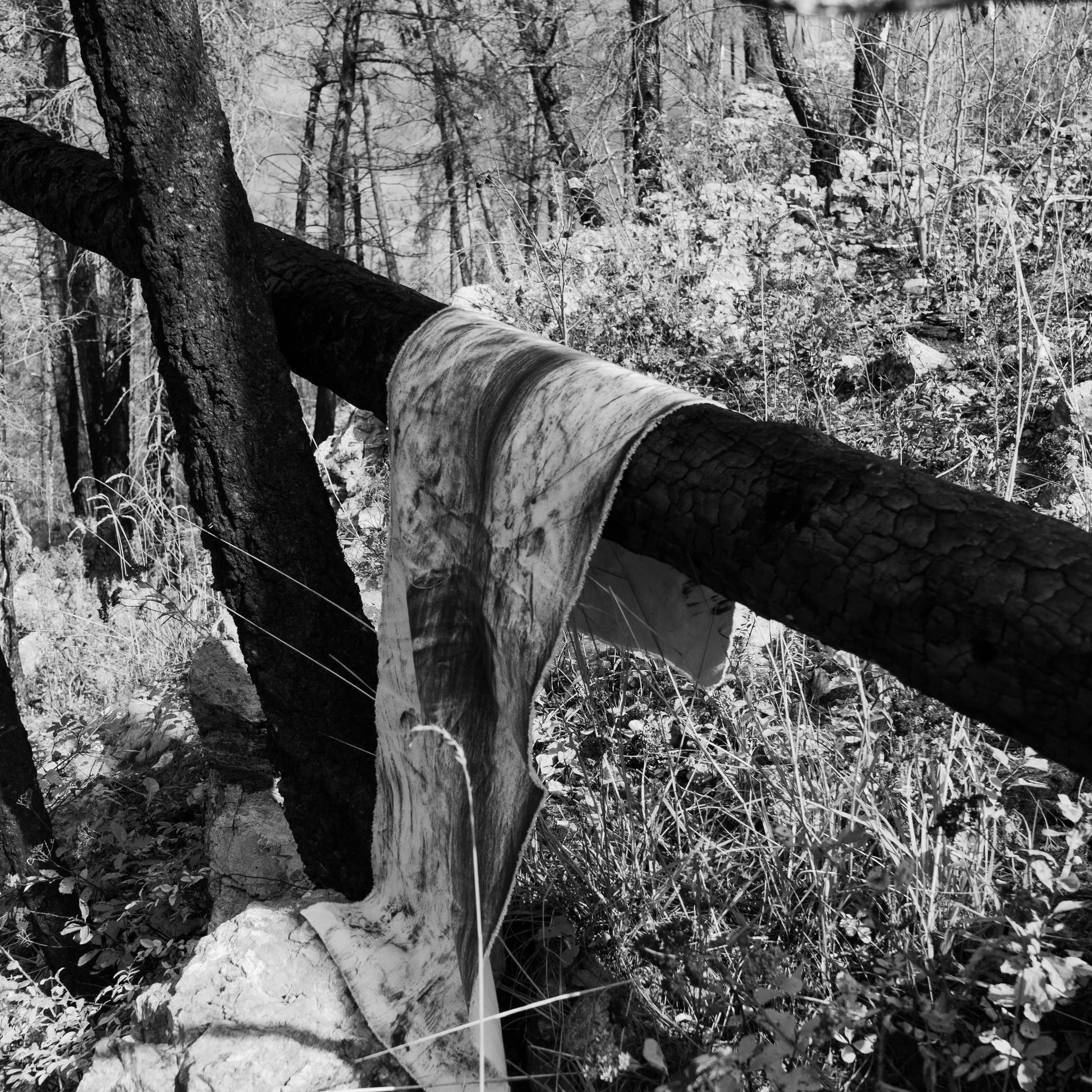
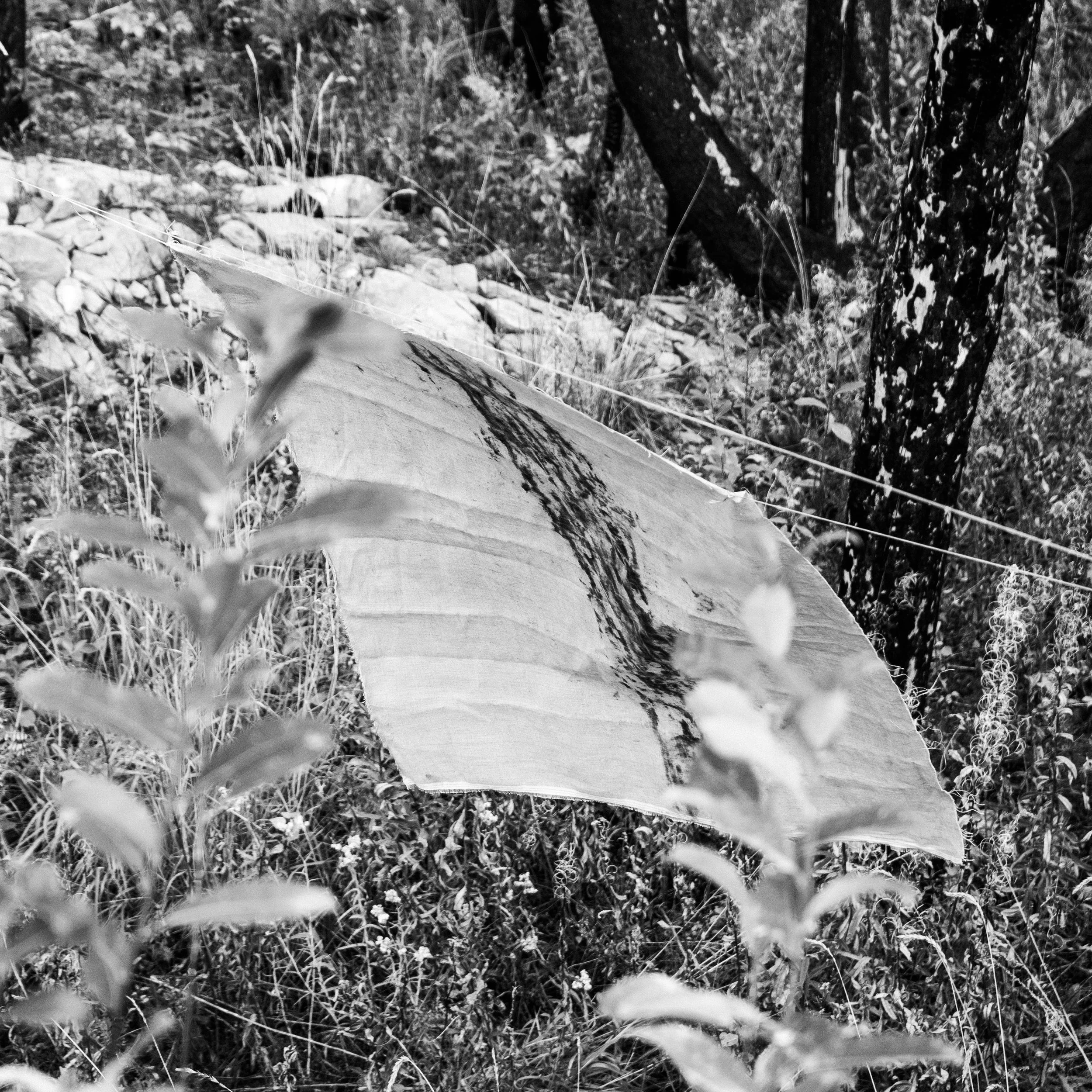
April Neuhaus is a contemporary land collaborative artist living and working in the Southern Alberta Rockies. Originally from Cammeraygal and Ngarigo Countries in modern Australia, their work leverages her lived experience exploring and living in the bush to interrogate land classification as a form of containment and control. Through the use of foraged materials and human – land dialogue, Neuhaus’s work attempts a split from traditional Western visualizations of the land as a space of conquest, to a place where the land is seen as a collaborative force.
True wilderness – i.e., a space completely devoid of human influence – is an impossibility in our contemporary Anthropocene, so what does it mean to classify land as wild? By intentionally avoiding representations of the ‘grand vista,’ Neuhaus evades the fallacy of the romantic landscape, wherein artists attempt to contain the outdoors into a small rectangular frame. The frame, much like the farm fence, contains the wild into a space beyond. By creating work alongside these physical and surveyed boundaries Neuhaus’s work attempts to explore how classifications such as wildland and wilderness act to contain the land as somewhere within the periphery.
PROJECT STATEMENT
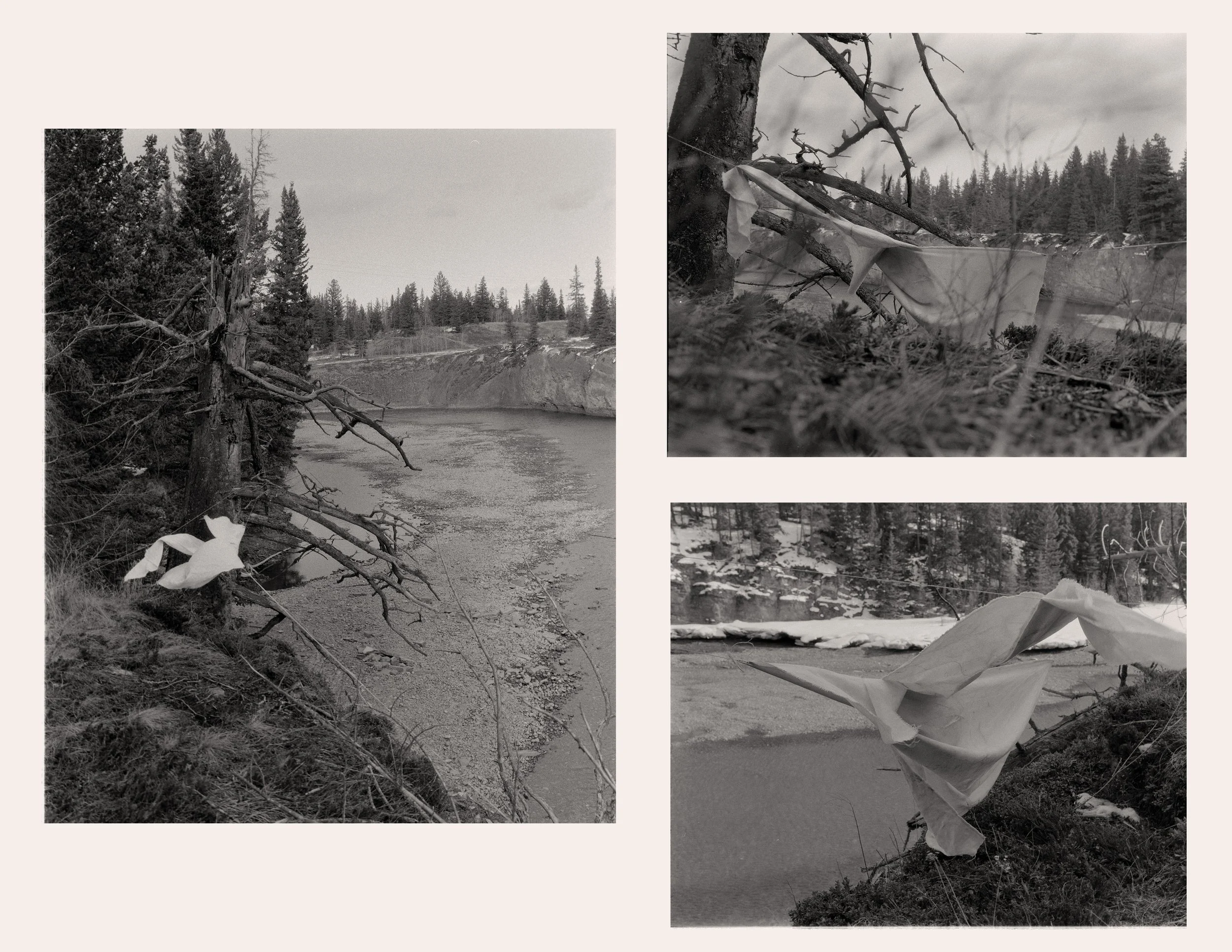
“Recently I have been fascinated by forms of dialogue between humans and the land. A ski resort sets a fence to control snow build up, hiking and fishing trails traverse a mountain range, photographers survey a landscape as a distant place in the periphery. These actions create boundaries, changing how we classify and interpret the outdoors, judging one space as worthy of protection while simultaneously justifying the exploitation of neighbouring areas. Much like how the frame in a romantic landscape divides the land into a contained, tame space, I believe the acts of land dialogue mentioned previously do the same.
The fence as boundary to wildness.
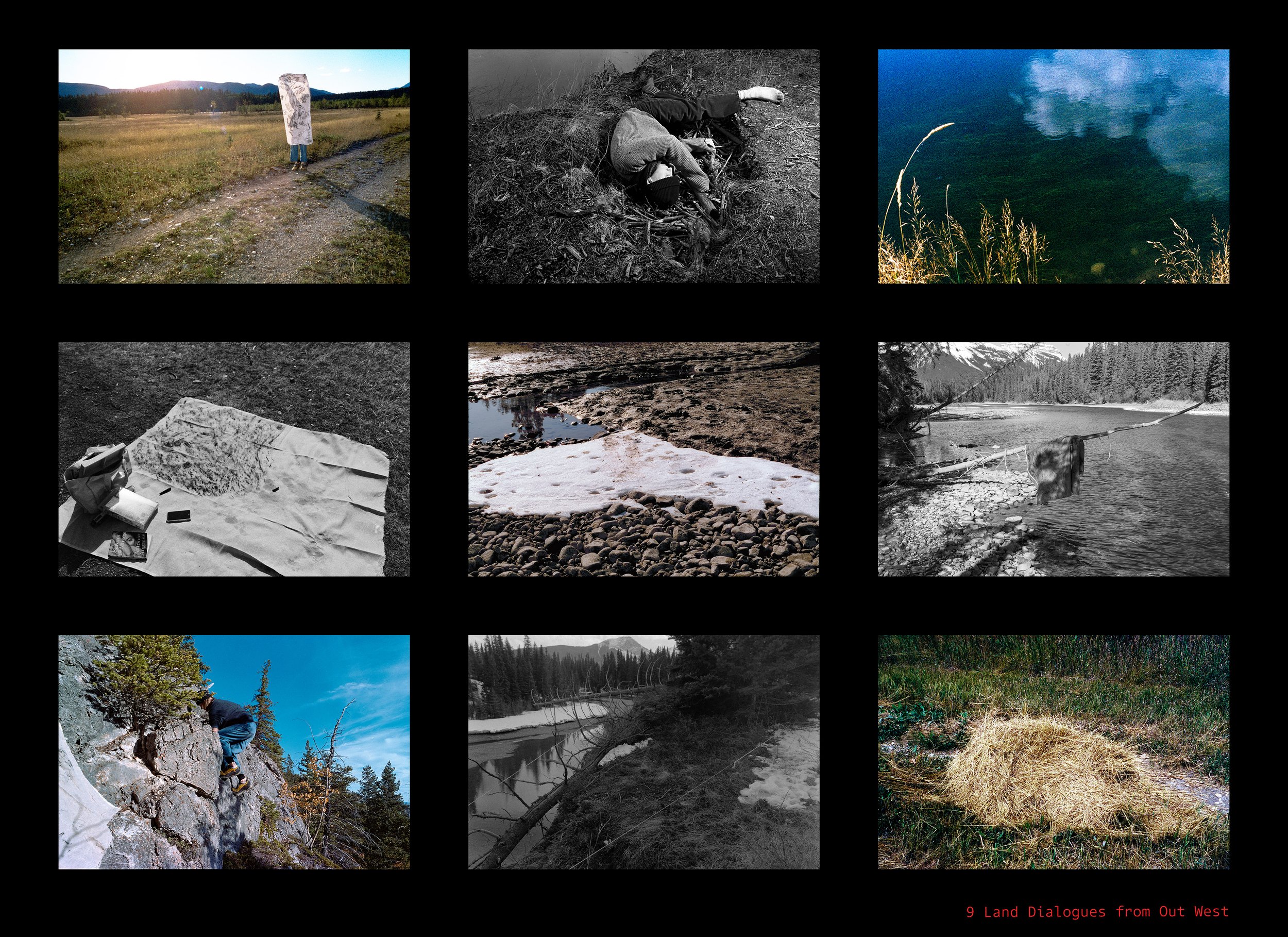
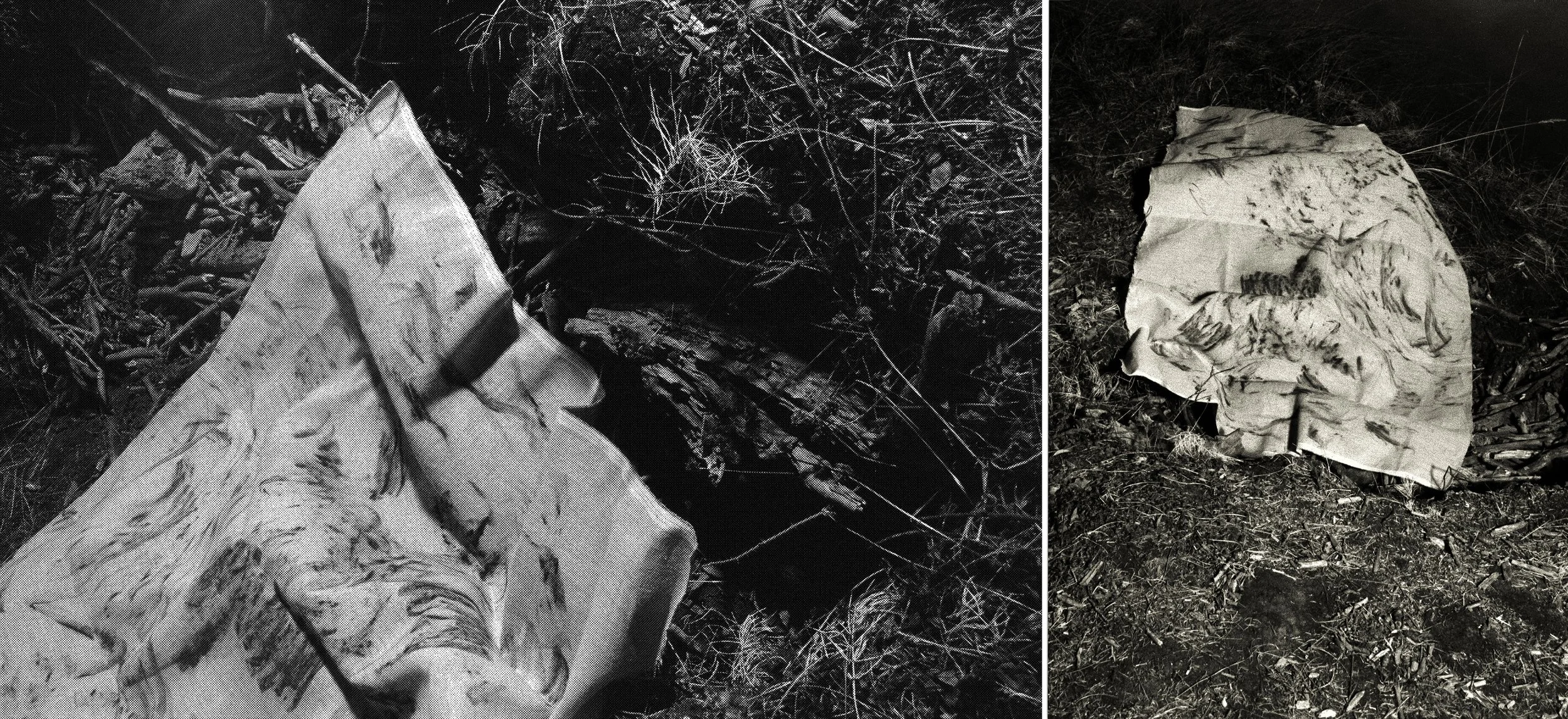
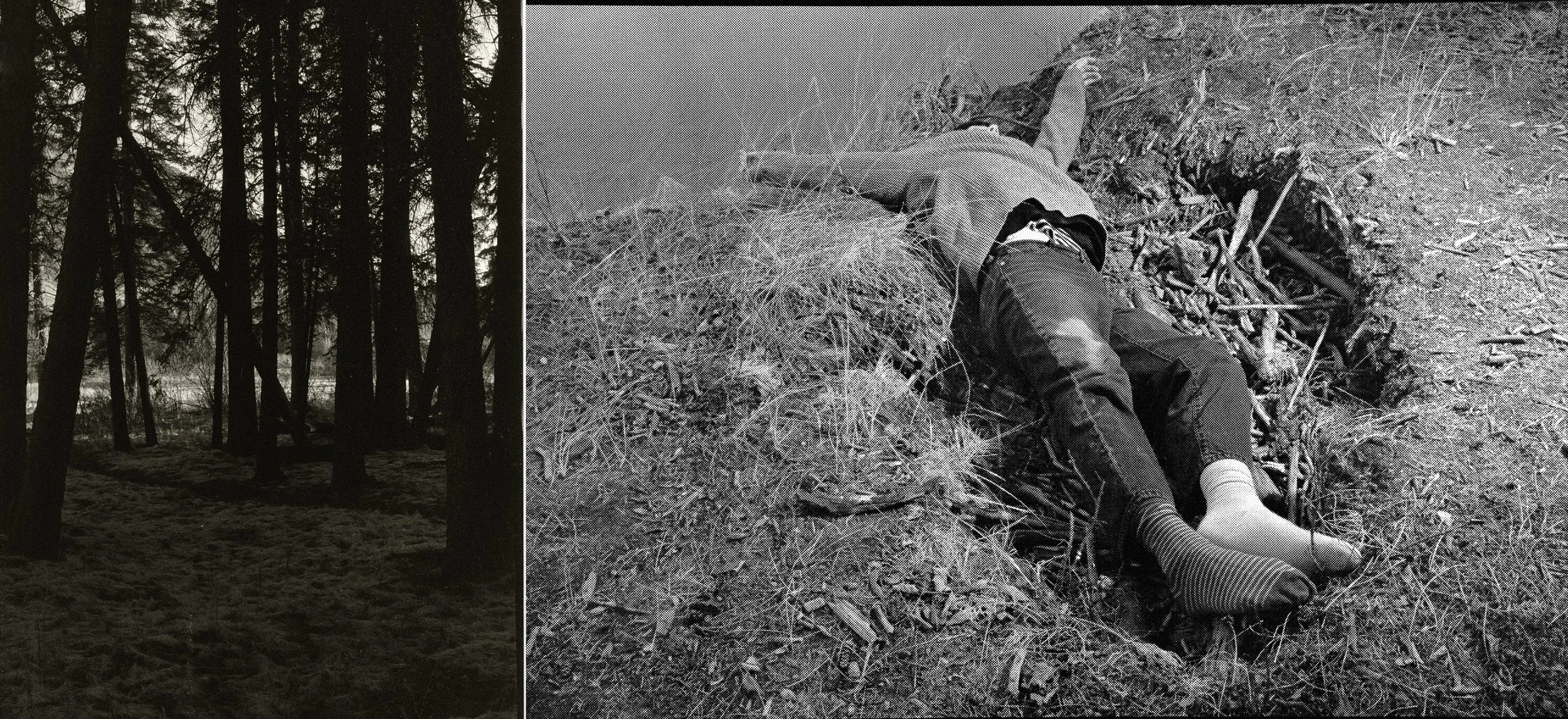
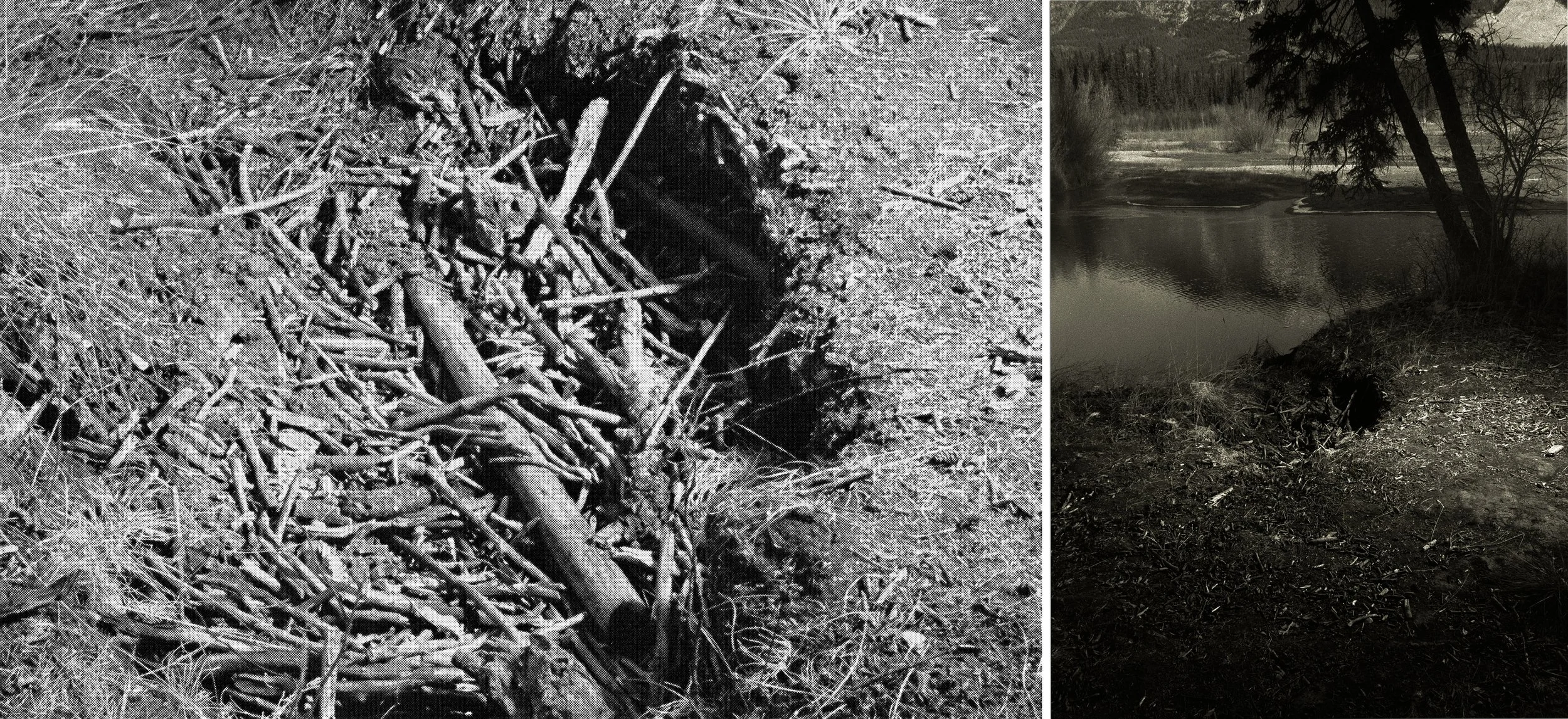
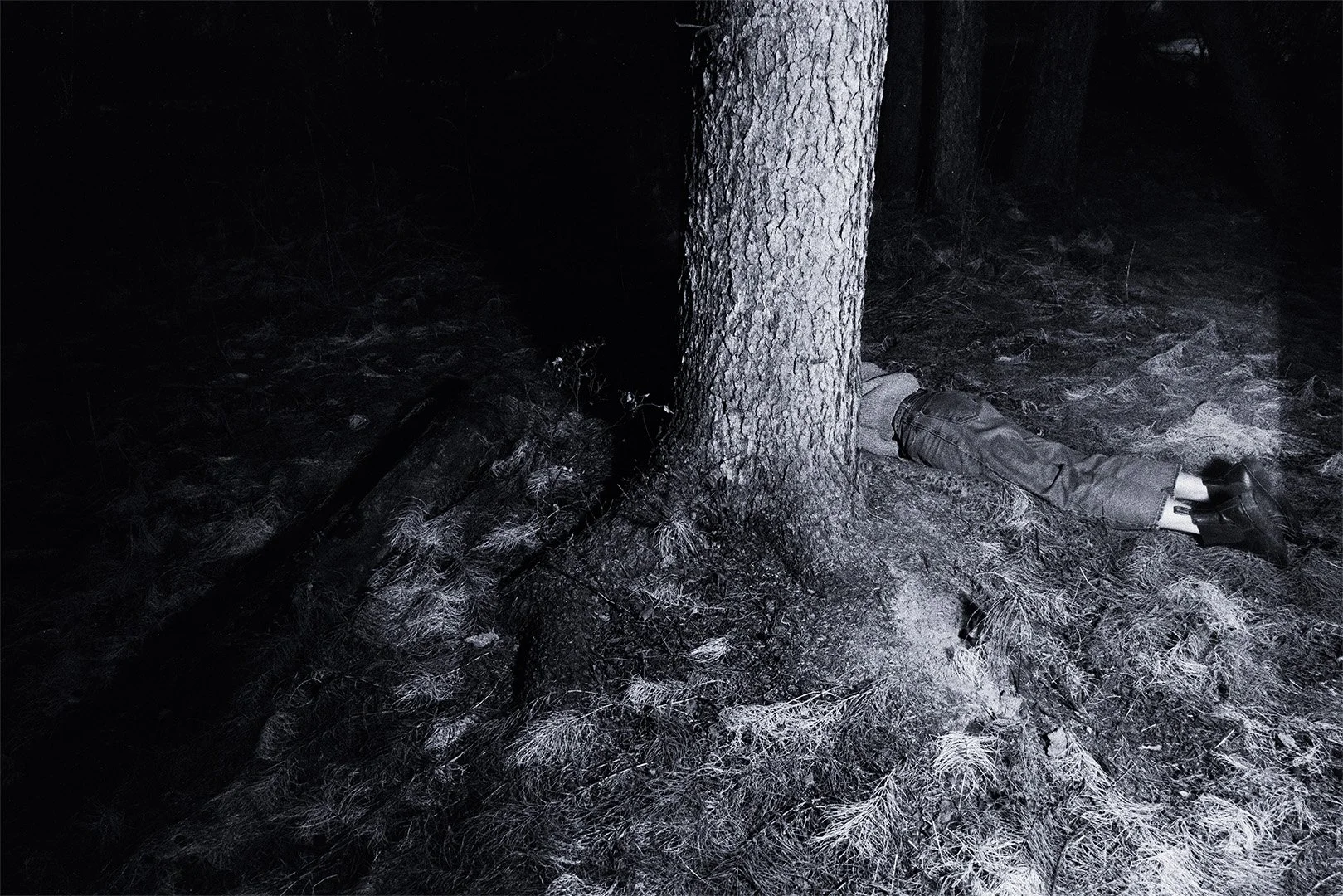
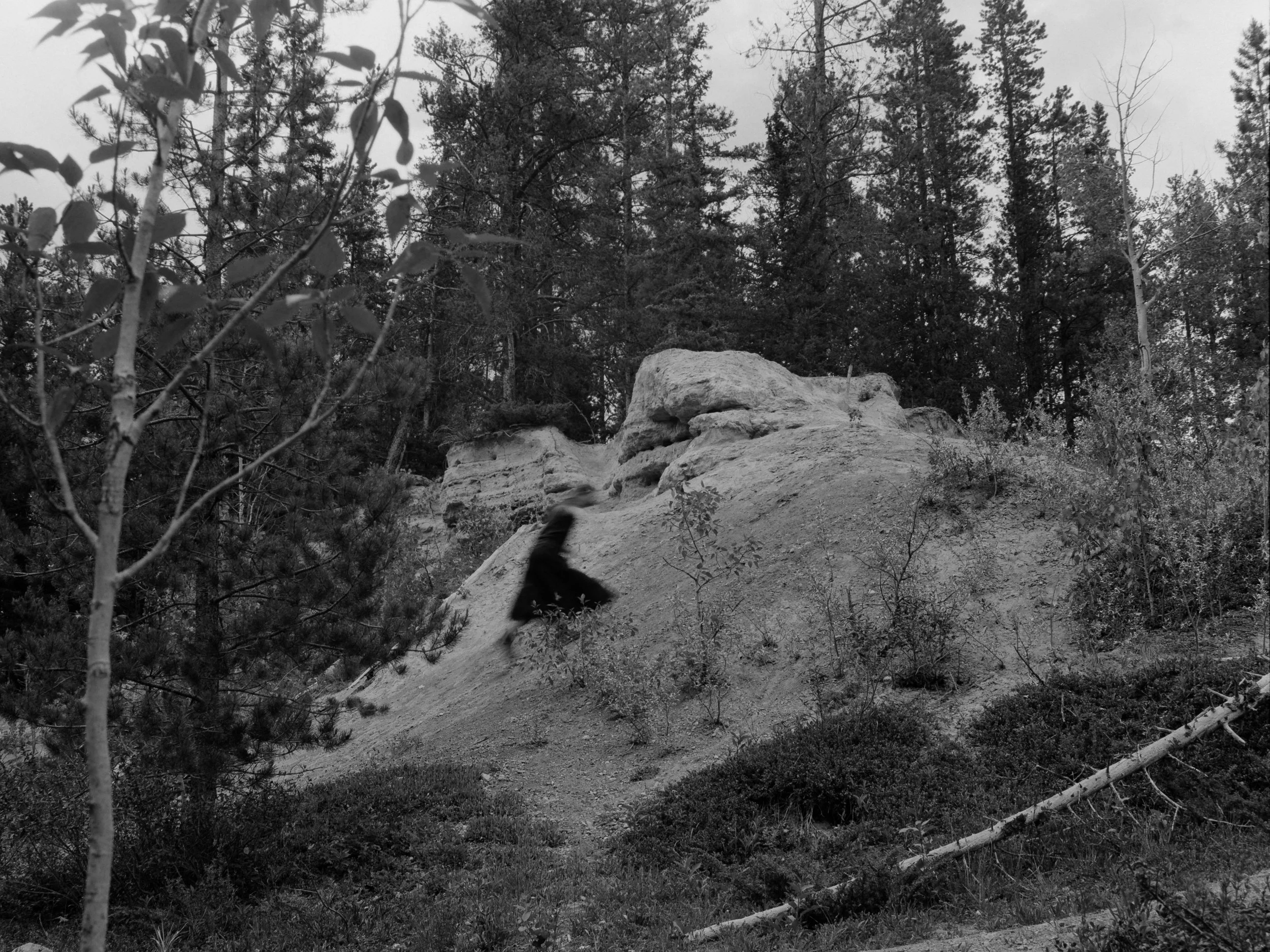
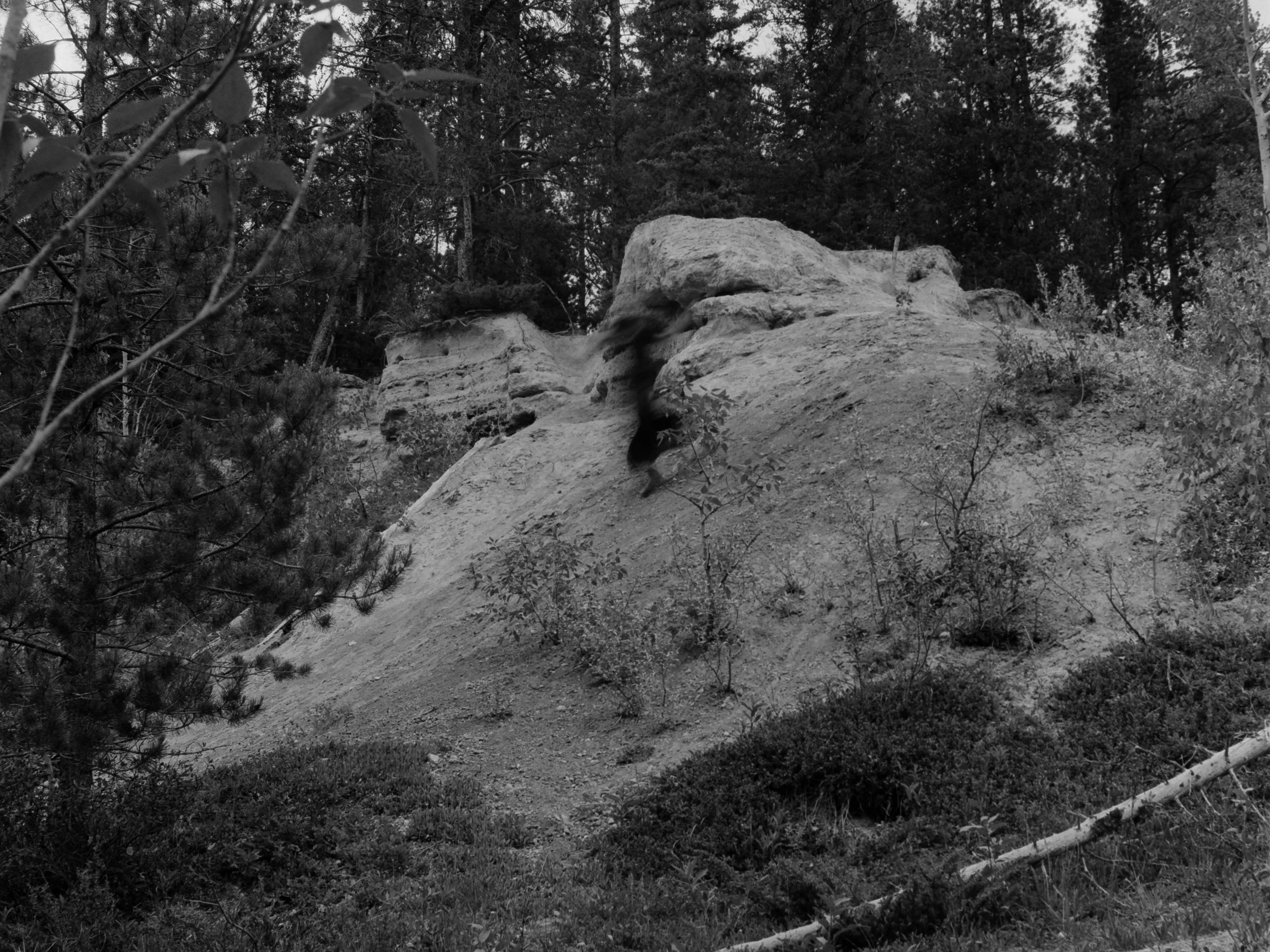
The works included in Western dirt. borrow the visual language of late 1960's and mid 70's land art to interrogate, for a contemporary audience, differing forms of human/nature dialogue that categorize living outside of metropolitan areas. As a queer person my relationship to my body as a physical form is distressing, my transness and longstanding body image struggles combine to an overall awareness of my body taking space. I began the works that make up Western dirt. right around the same time I mentally began unpacking my trans identity, The self-portraits interspersed throughout the body of work reflect this reality. My trans body in dialogue with a land whose residents view it with suspicion. Like drawing lines on a map demarcating wilderness from farmland, my transness is exploitable depending on the goals of the viewer. A body to be sheltered from harm or an object to be moulded as the owner sees fit. At the same time Western culture continues to view the land with a similar suspicion, the land as a violent threat is a common trope in Western media.
What does it mean for danger to converse with another threat?” – April Neuhaus