Liam Mackenzie
Canada
ARTIST BIO
Liam Mackenzie (they/he)(b. 1997) is a lens-based artist who creates using photography, videography, and physical fabrication. Their work follows the act of ‘performing for the camera’ to personally, politically, and theoretically examine queerness, gender expression, bodies, disability, and sex. Using themselves as the performer and using repeating elements of exaggeration, maximalism, humour, and kink, Mackenzie embodies the varying forms people assume to subvert perceptions.
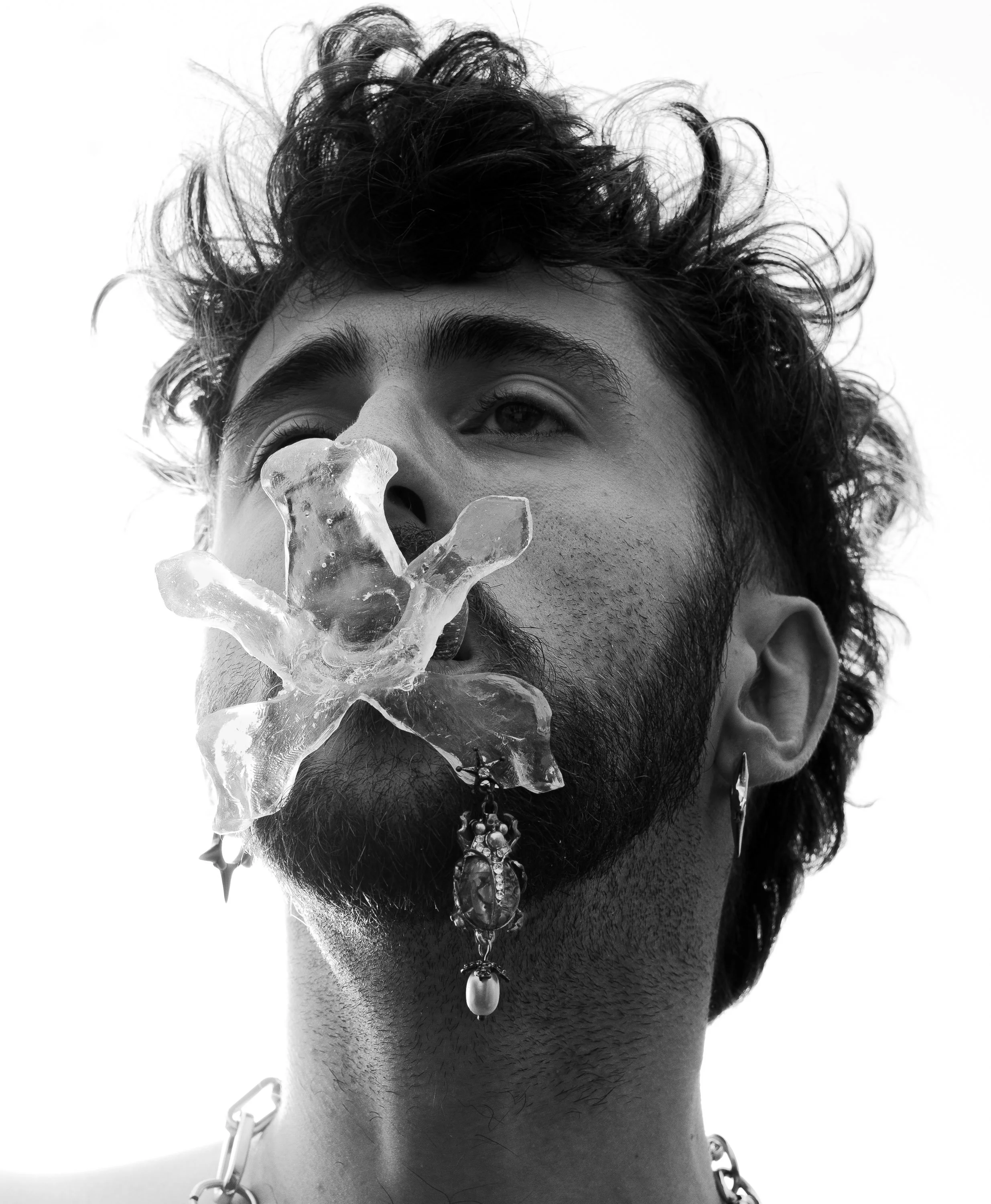
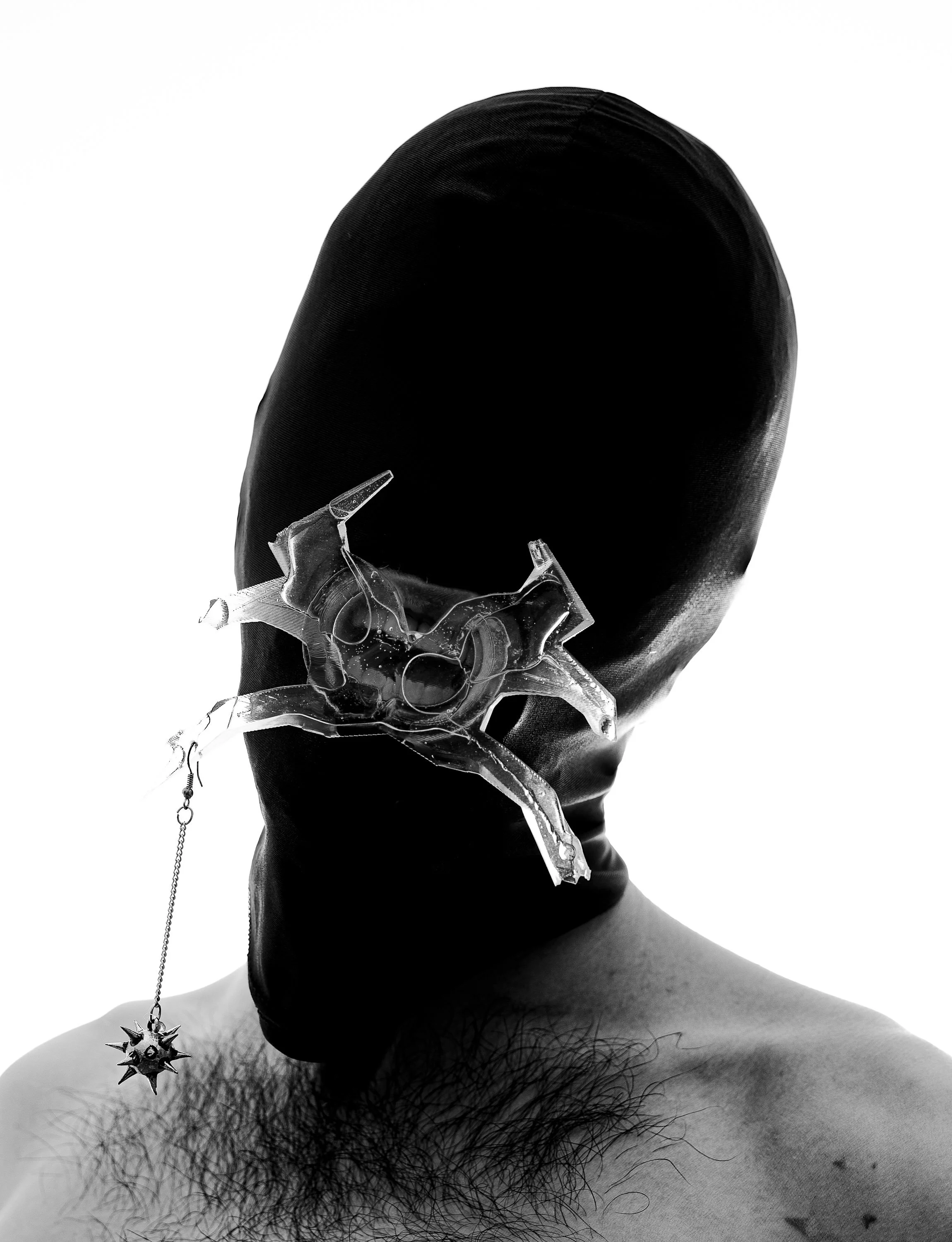
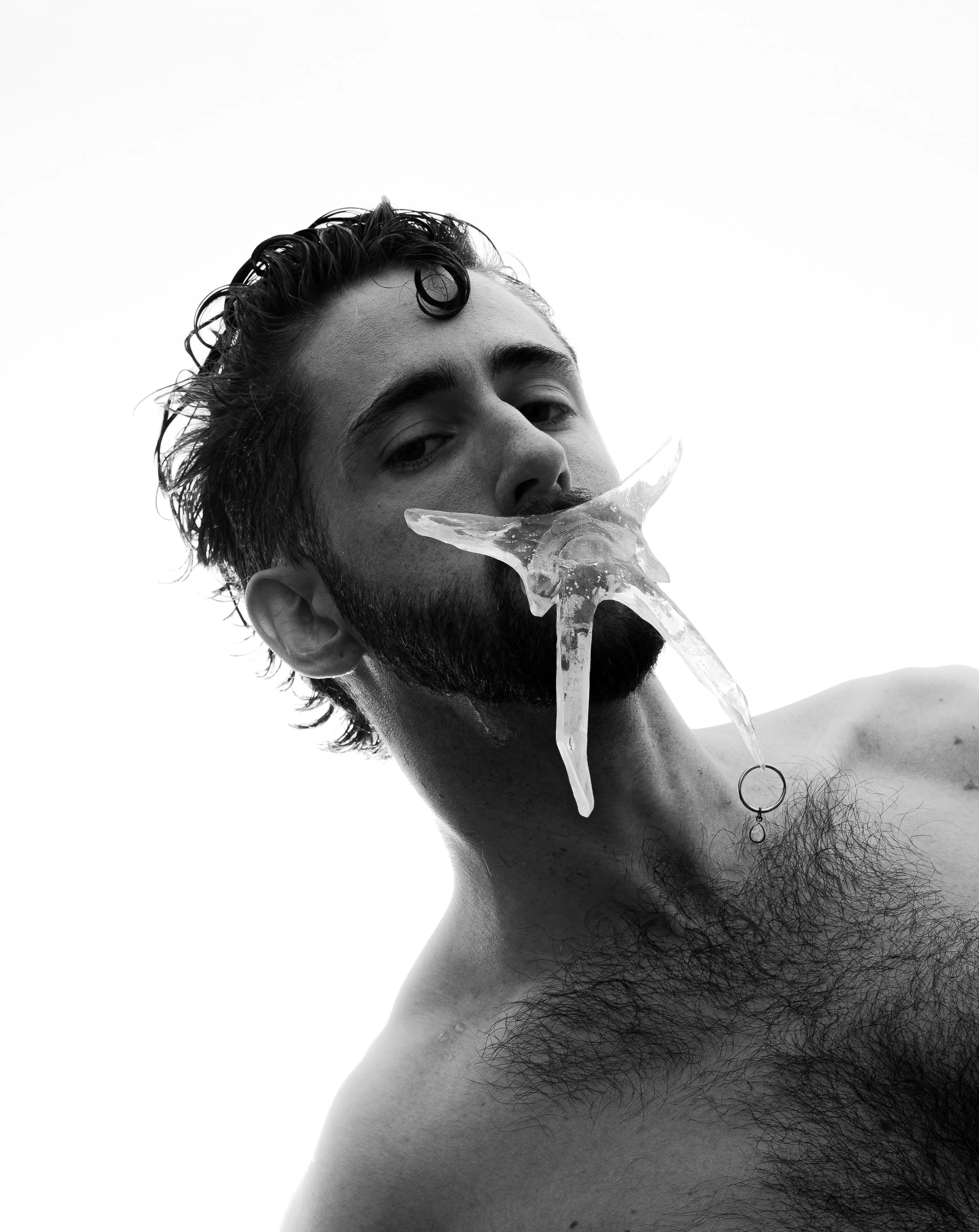
Mackenzie has created a couple of projects from an ever-growing series of self-portraits titled Familiar Faces (2018 -). Notably, Mackenzie has won the Special Interest Winner for Magenta Foundation’s Flash Forward competition for Familiar Faces in 2019. When Mackenzie pursued their degree in 2021, they developed a passion for physical fabrication, videography, and disability justice, which all fed into their practice. In their degree, they had the opportunity to study abroad in London, England, at the University of Westminster and created LAST TIME (2024) and HAGSTONE (2024). They explore how filth and disability are heavily interwoven with each other, and how time can be a malleable embodiment of fear and rejection. They created Break My Back (2024), which uses kink and sexuality to examine the act of self-destruction and minimization. For Mackenzie’s thesis project, The Disabling, they use an assemblage of a majority of their studies to create a body of work to explore disability, sexuality, and the social perceptions of both.
Mackenzie currently practices in Toronto, Canada.
Mackenzie earned a diploma in Photographic Technology from NAIT (2017) and a BFA in New Media, minoring in Disability Studies from Toronto Metropolitan University (2025).
PROJECT STATEMENT
“The Disabling is a project that explores themes of disability aesthetics, technoableism, and the intersection of disability and sexuality. The multiple pieces of this project follow the theme of creating a new body extension to flaunt disability. Through this idea of flaunting of disability, I can control how I interact with the world, an affordance that is rarely granted to disabled people. Through systematic practices and individual beliefs against disability, disabled people are seen as non-human. With The Disabling, I offer disabled people a choice in how they want to present themselves and challenge the notions working against them. I found power, joy, filth, and community through my disability; why shouldn’t I flaunt it? The self-portraits explore the intersection of disability and sexuality, two qualities that are rarely shown together. That is, disabled people are often showcased in two ways: as feeble, sexless objects or as hyper-sexual deviants where sex is distorted into a threat, and these forms strip the sexual expression of disabled people. The self-portraits sensually portray the mouthpieces. Disability becomes tangled with sexuality, and people can’t separate the two entities.” – Liam Mackenzie