Swen Bernitz
Germany
ARTIST BIO
Swen Bernitz (born 1970 in Berlin) lives and works in Zossen, Germany. A self-taught artist and member of the bbk Brandenburg, he realizes conceptual long-term projects that explore the transformation and perception of the built environment, particularly in Berlin and Brandenburg. His formally rigorous, consistently unpopulated and predominantly black-and-white series regard architecture as an expression of collective memory, addressing the temporality of space, the persistence of architectural structures, and their traces within the urban context. With 29 solo exhibitions and 95 group participations in 15 countries, he is among the most frequently exhibited artists in eastern Germany.
PROJECT STATEMENT
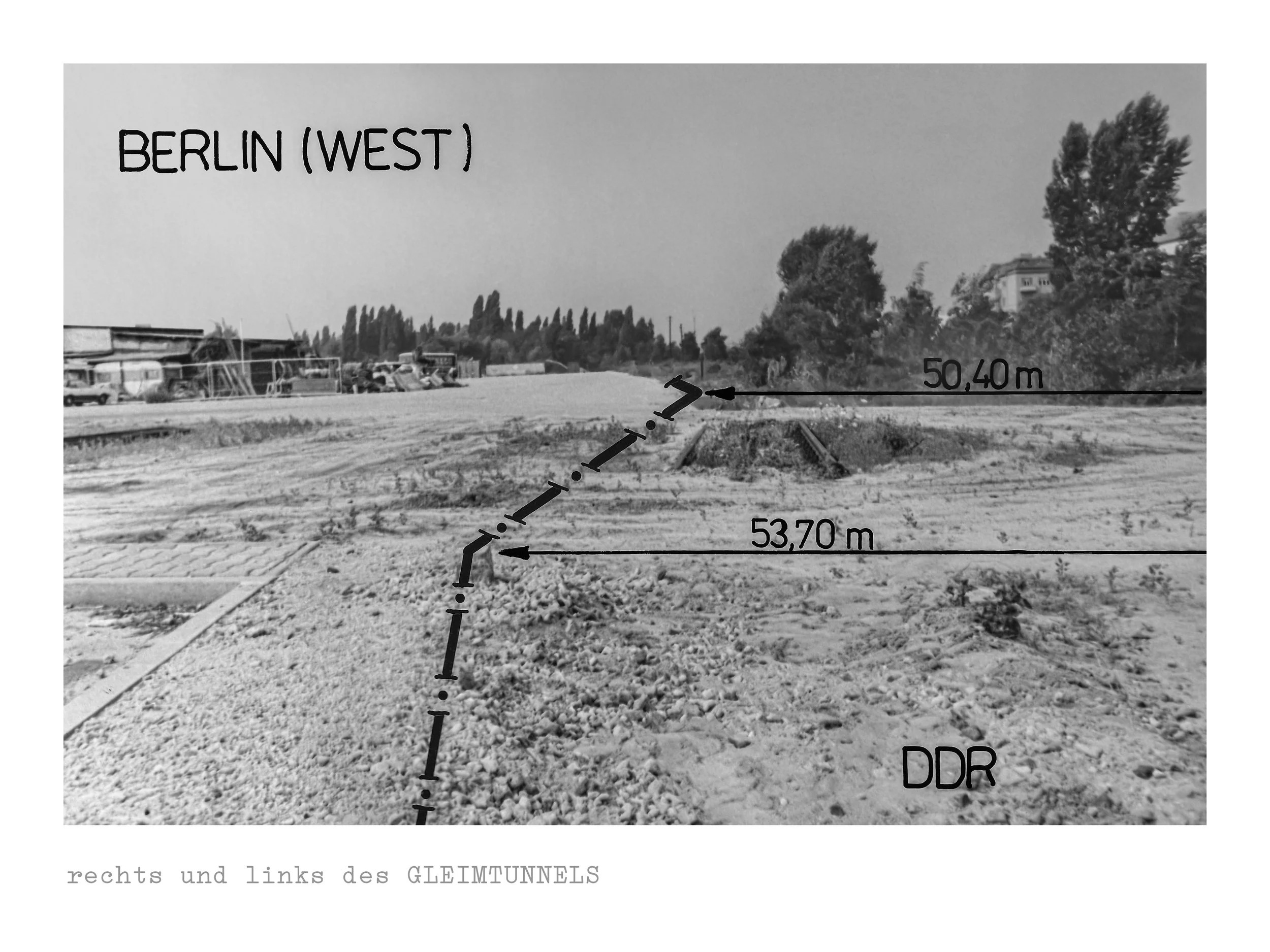
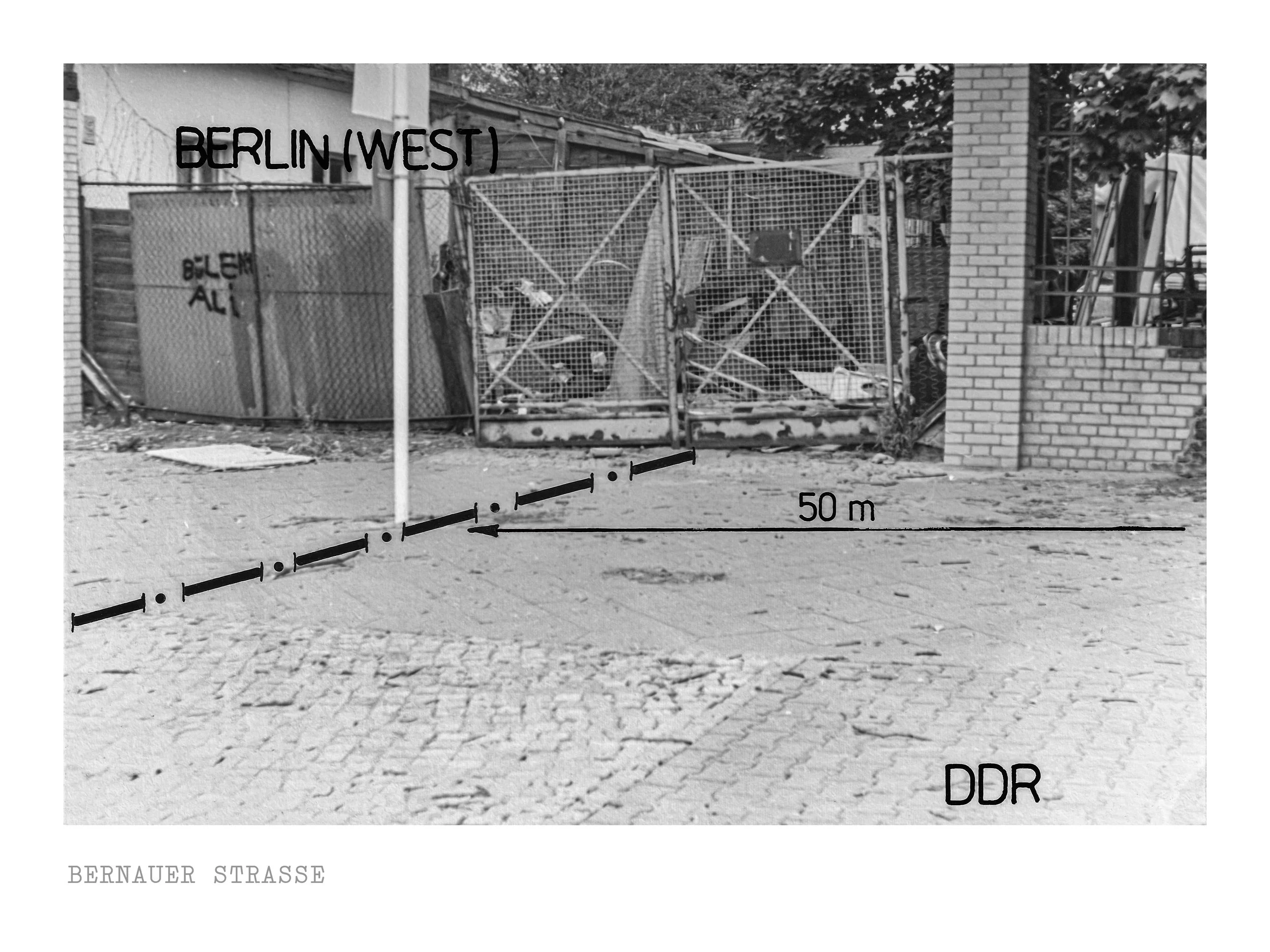
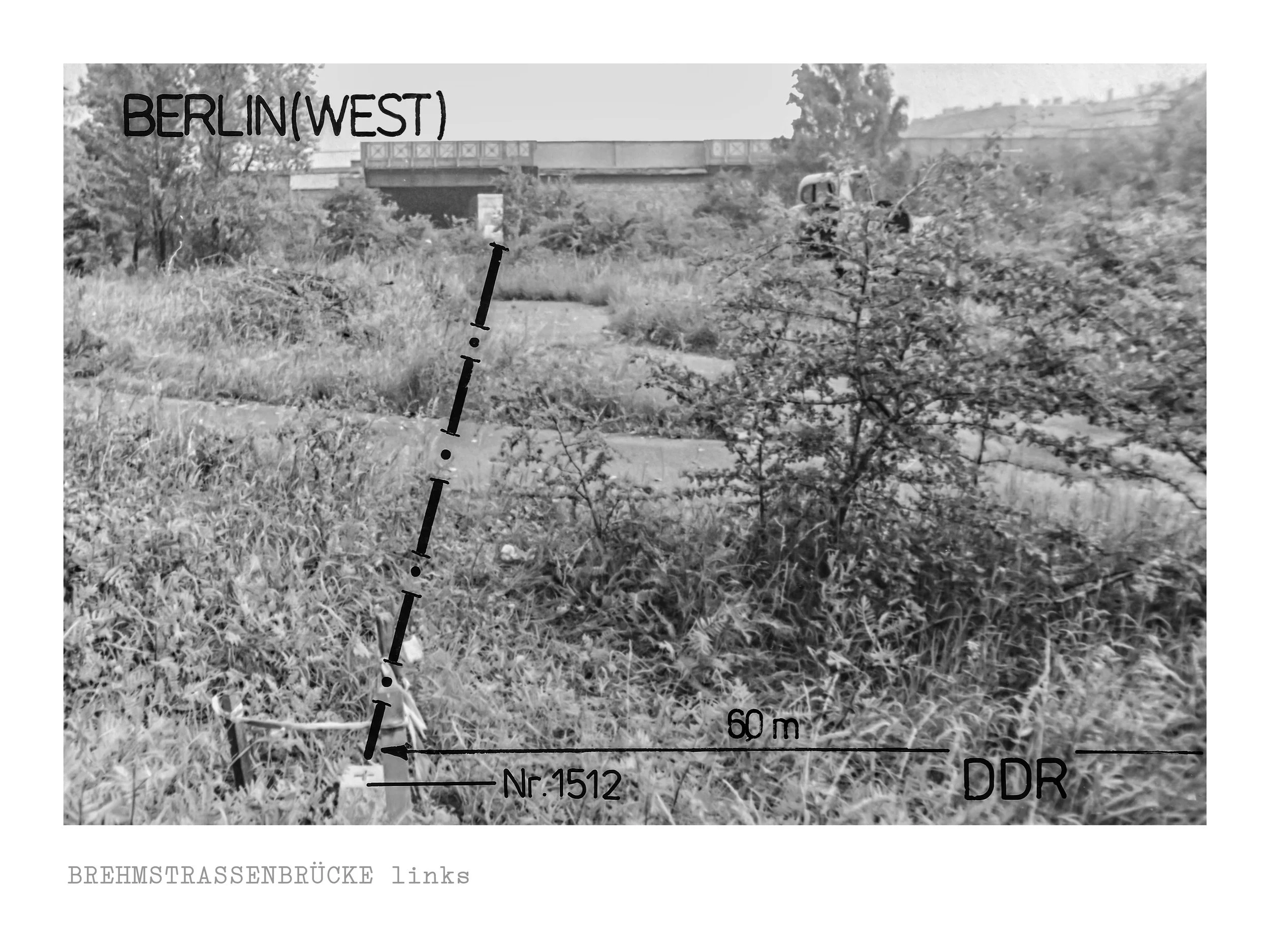
Advanced Sovereign Zone reimagines a legally ambiguous strip within the Berlin Wall system—the zone between the border line and the first solid barriers. Once tightly monitored and at times lethally enforced, this marginal landscape becomes a lens through which photography, memory, and spatial transformation are explored. The project draws on a private, previously unseen archive of East German border troop training photographs from the 1980s. These black-and-white images—showing wastelands, barriers, and overgrown interspaces—were originally produced as tools of surveillance and control. Annotations and markings highlight their dual function: both technical documents and visual instruments of discipline. Reframed in an artistic context, the photographs are released from their operational purpose and become a meditation on the aesthetics of control. Their stark repetition and functional motifs shift meaning, revealing how the language of power is inscribed into images and into space itself.
By juxtaposing this historical material with contemporary photographs of the same sites, the series opens a dialogue between past and present. Urban transformations overwrite the original functions, yet traces of repression persist as spatial memory, inscribed into the fabric of the city. The photographs thus become palimpsests, where absence, overgrowth, and silence are equally part of the visual narrative.
The work reflects on how photography oscillates between instrument and interpretation, between control and critical remembrance. It foregrounds the capacity of images to transform from enforcers of authority into vehicles of reflection. At a moment when borders are once again intensifying, Advanced Sovereign Zone examines overlooked and fragile sites of state violence, insisting on their visibility within contemporary memory culture. It asks how history remains embedded in space, and how art can preserve its traces by reactivating them as spaces of thought and remembrance.